Plastic Bag Supplier
Taiwan Keen Pro always upholds the business philosophy of "Quality First", implementing a scientific quality management system at every level. Our promise of quality is not only reflected in the refinement of each product but also in our high regard for customer needs. We will continue to innovate and optimize to provide global customers with high-quality, cost-effective plastic bag products and grow together for long-term cooperation and development.
Plastic packaging remains one of the world's main packaging forms, especially in the retail, food, medical, and industrial sectors, where it plays an irreplaceable role.
In recent years, with the rise of e-commerce, delivery, and ready-to-eat culture, the demand for flexible, efficient, leak-proof, and contamination-resistant packaging has increased rapidly. Particularly in the food and medical packaging fields, safety and traceability have become key concerns for consumers and regulations, further driving up the demand for high-quality functional films.
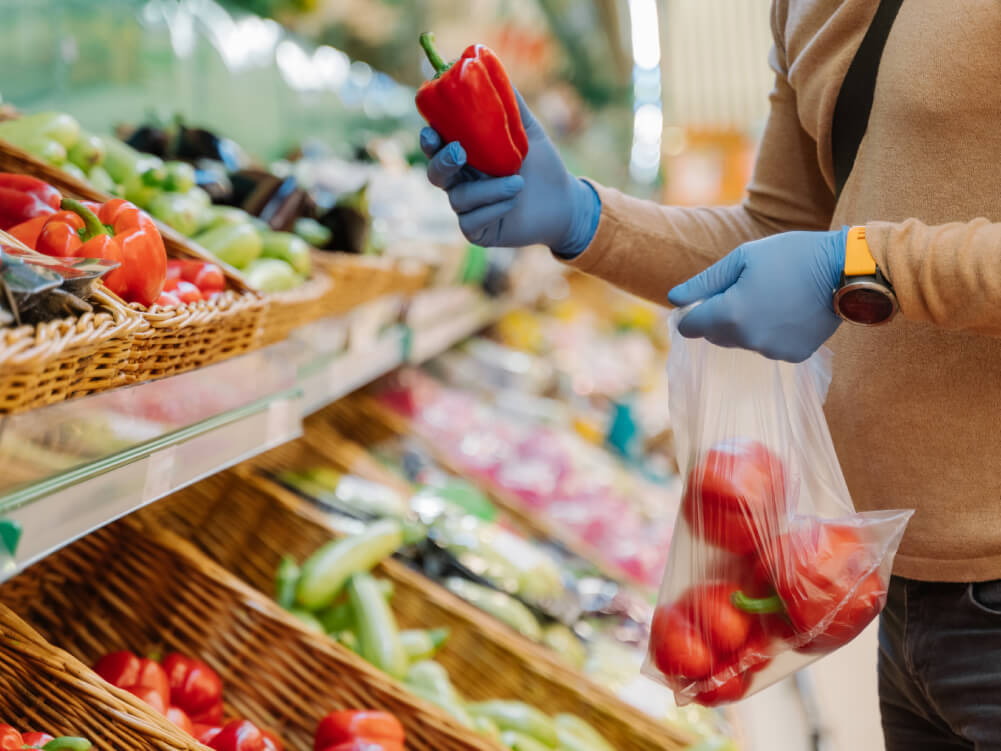
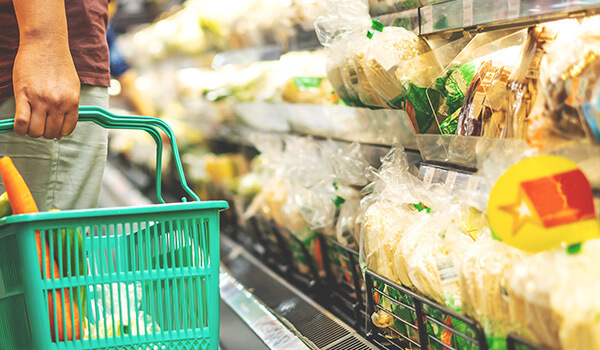
Emphasizing aesthetics and convenience, suitable for supermarkets, stores, etc., to enhance product appeal and portability.
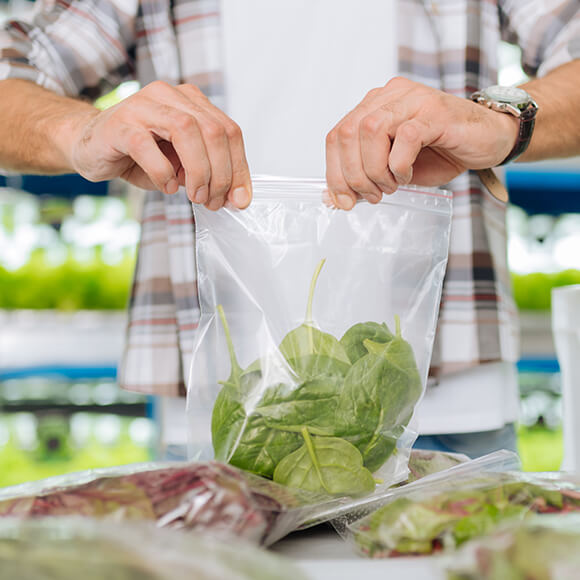
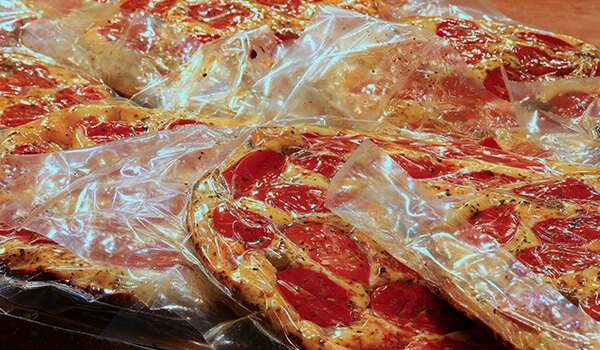
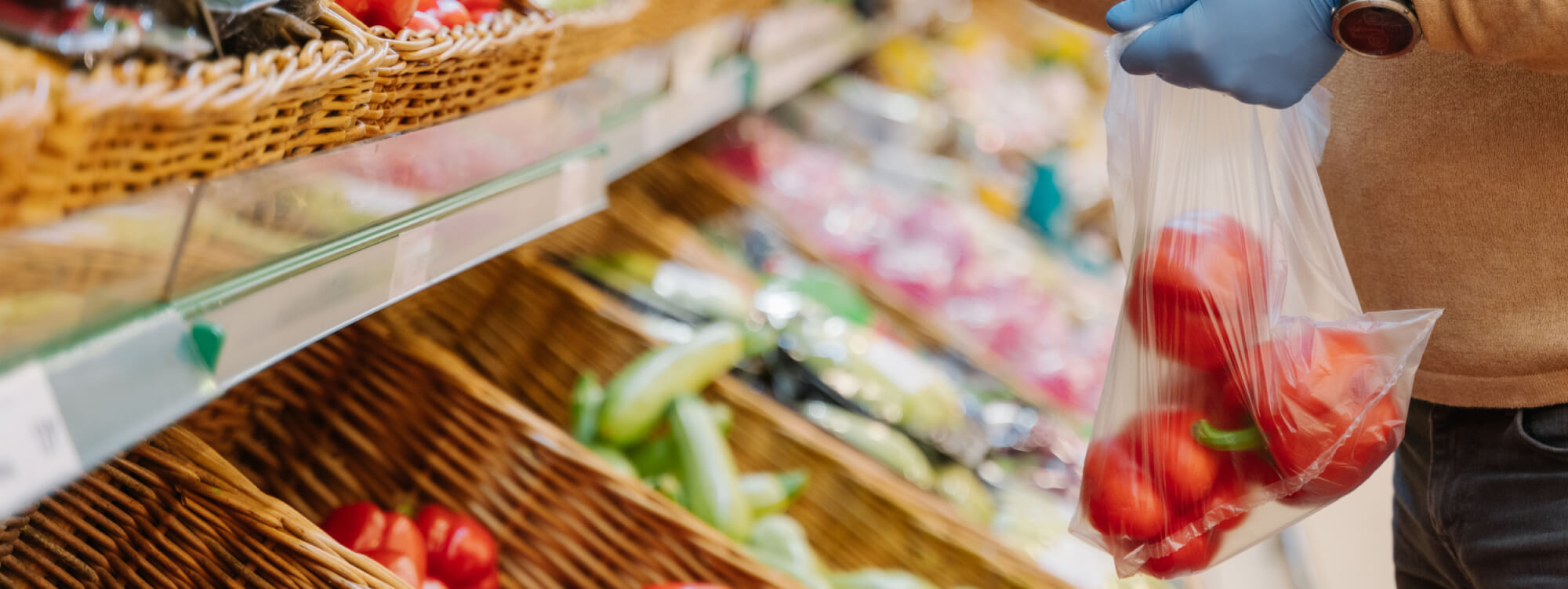
Leak-proof to ensure food freshness and safety, meeting food-contact material standards.
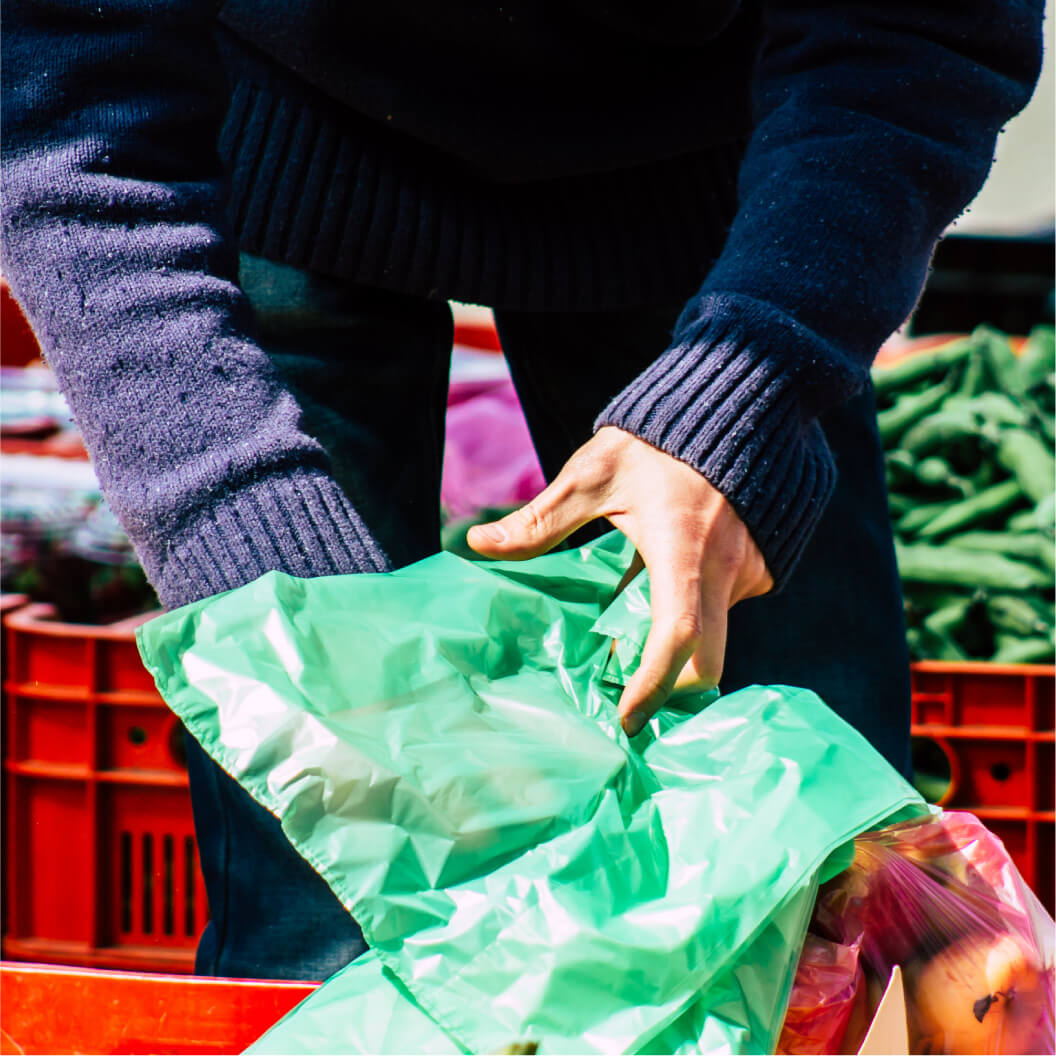
Hygienic requirements met; suitable for medical supplies and pharmaceutical packaging to ensure cleanliness.
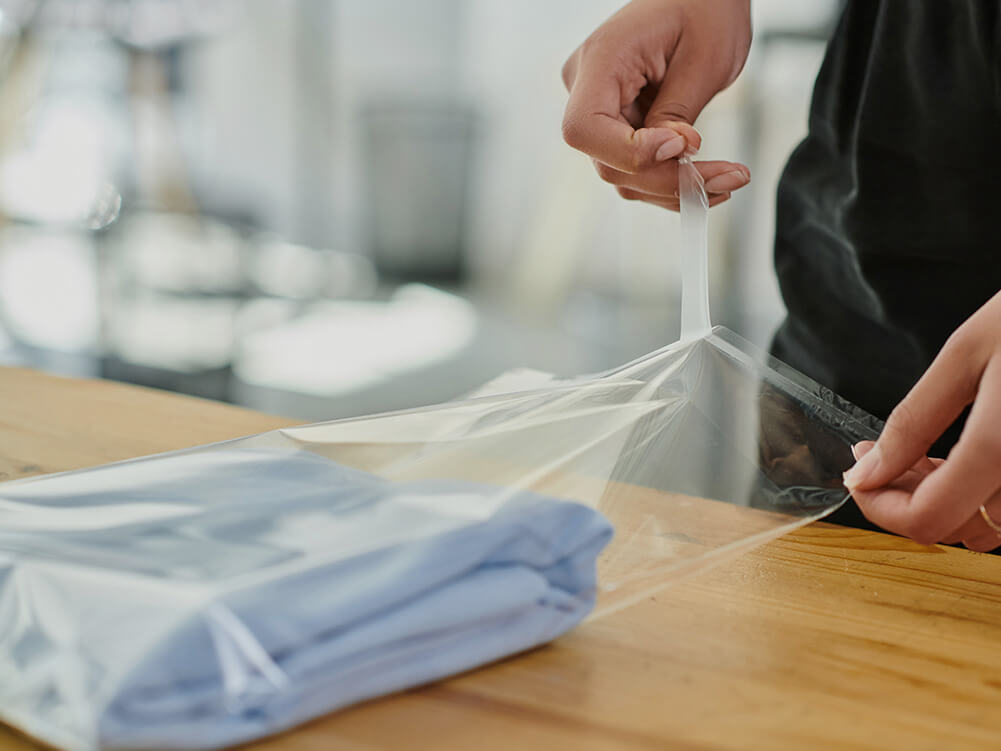
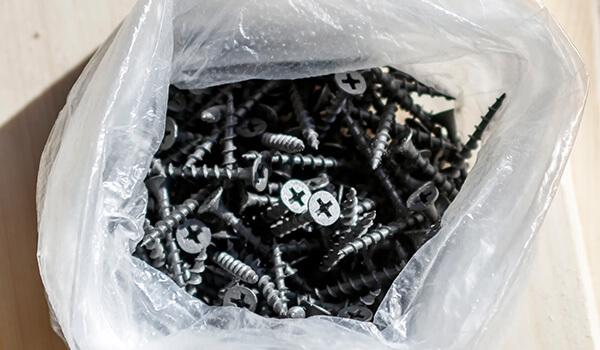
High strength and functional, suitable for electronics, parts manufacturing, and other industries.
Taiwan Keen Pro understands that in the wave of transformation in the plastic packaging bag industry, companies must proactively respond to environmental challenges and use innovative technologies to enhance product performance and sustainability.
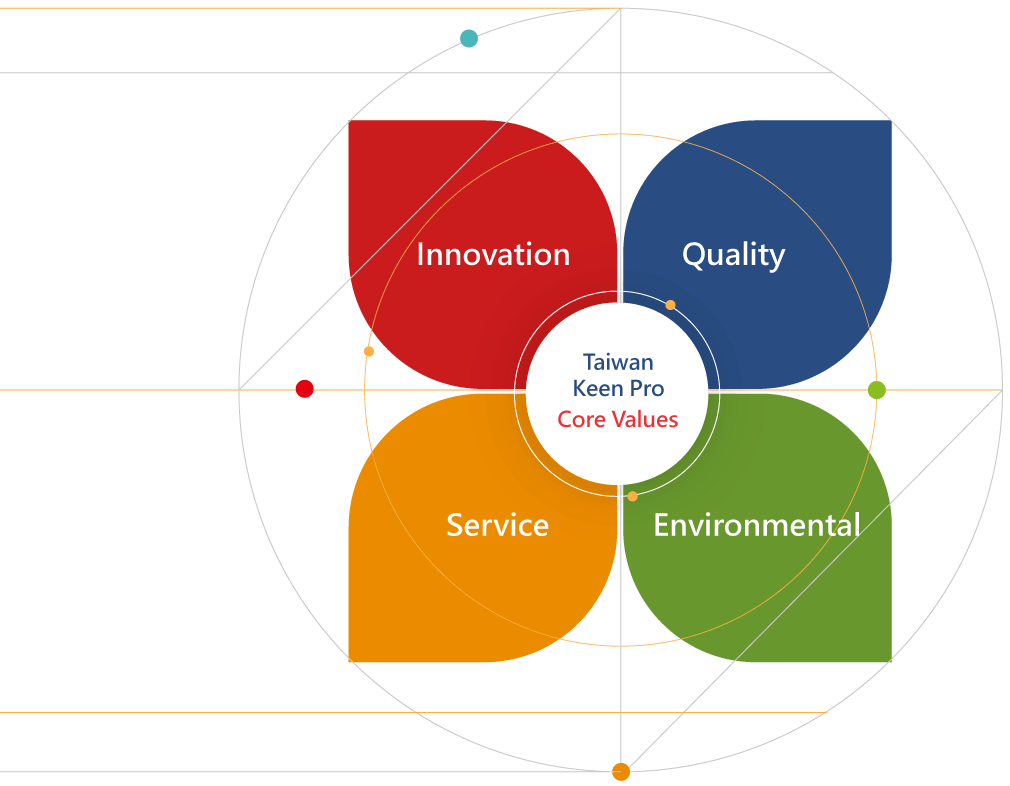
The company upholds the core values of Quality, Innovation, Environmental Protection, Service, laying the foundation for promoting industry development and achieving long-term goals.
Introducing internationally advanced equipment, precisely controlling production processes to ensure product quality stability and high‑efficiency production.
Layer‑by‑layer checks from raw material to shipment, multiple inspection processes to comprehensively ensure product quality.
Certified with ISO, BRC, and GRS, meeting international standards and enhancing global market competitiveness.
Implementing automation and real‑time monitoring systems to continuously improve efficiency, reduce costs and defect rates.
Customized service and quick response, closely collaborating with customers from design to delivery.
Streamlining processes, reducing waste, providing high‑quality products at affordable prices for a win‑win outcome.
Professional R&D team continuously develops innovative products to meet diverse market and customer needs.
In today's global market, the demand for plastic packaging is increasingly diversified and highly competitive. A great plastic bag factory must not only have production capacity but also improve comprehensively in quality, technology, and service to secure brand trust and long‑term competitive advantages. Facing stricter environmental regulations, growing customization needs, and international supply chain changes, a trusted plastic bag manufacturer must have three core advantages: stable quality control, flexible customization capabilities, and international‑level delivery and service efficiency.
First, stable quality control is the foundation. From raw material inspection, film blowing, printing to cutting and packaging, each step must have a complete quality control process and standardized operations. Excellent factories usually have quality control labs that can conduct thickness tests, tensile tests, transparency control, etc., ensuring each batch meets customer specifications and international safety standards. Stable quality not only reduces returns and disputes but also effectively lowers operational risks for brands.
Second, flexible customization and development capabilities are key for long‑term cooperation. Today's customers seek differentiation and brand recognition; an excellent factory should provide multiple material options, various bag types, and professional printing, and assist customers from design, sampling to mass production with integrated solutions. Factories with design capabilities and rapid sample development are particularly favored by brand owners and traders.
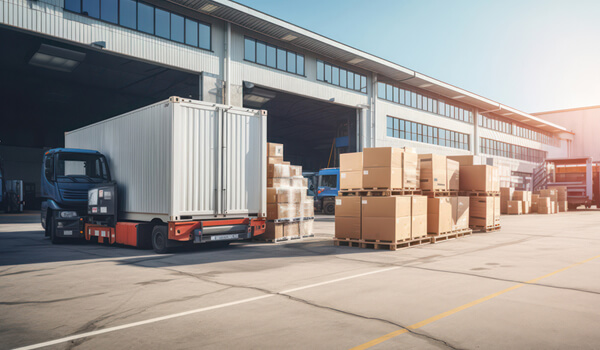
Finally, international‑level delivery and service efficiency determine whether a factory can become part of a long‑term supply chain. Excellent factories usually have cross‑border operation experience and stable capacity allocation, able to adjust schedules and shipping models quickly in response to global demand fluctuations. Transparent communication, accurate delivery times, and flexible production are key to winning overseas customer trust. Meanwhile, professional sales and customer service teams can provide technical advice and after‑sales support promptly, ensuring smoother cooperation without worries.
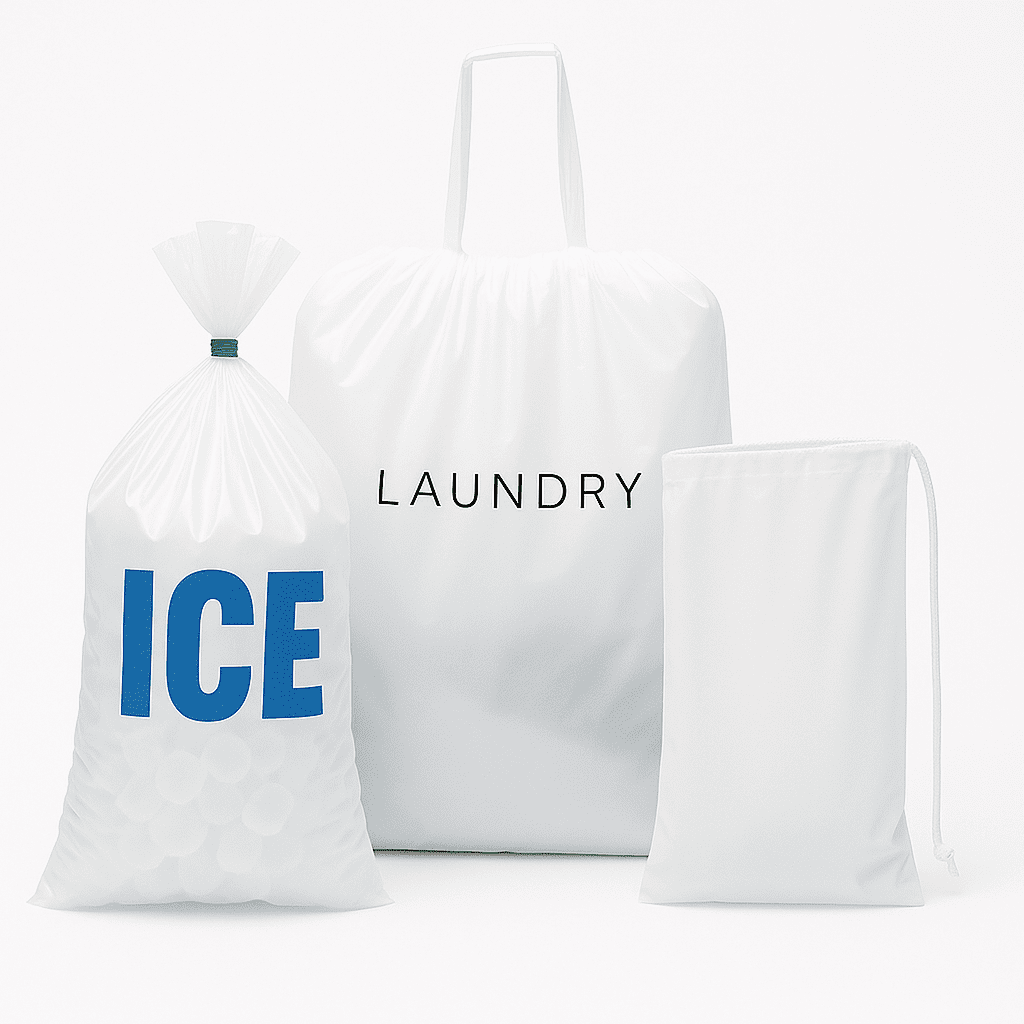
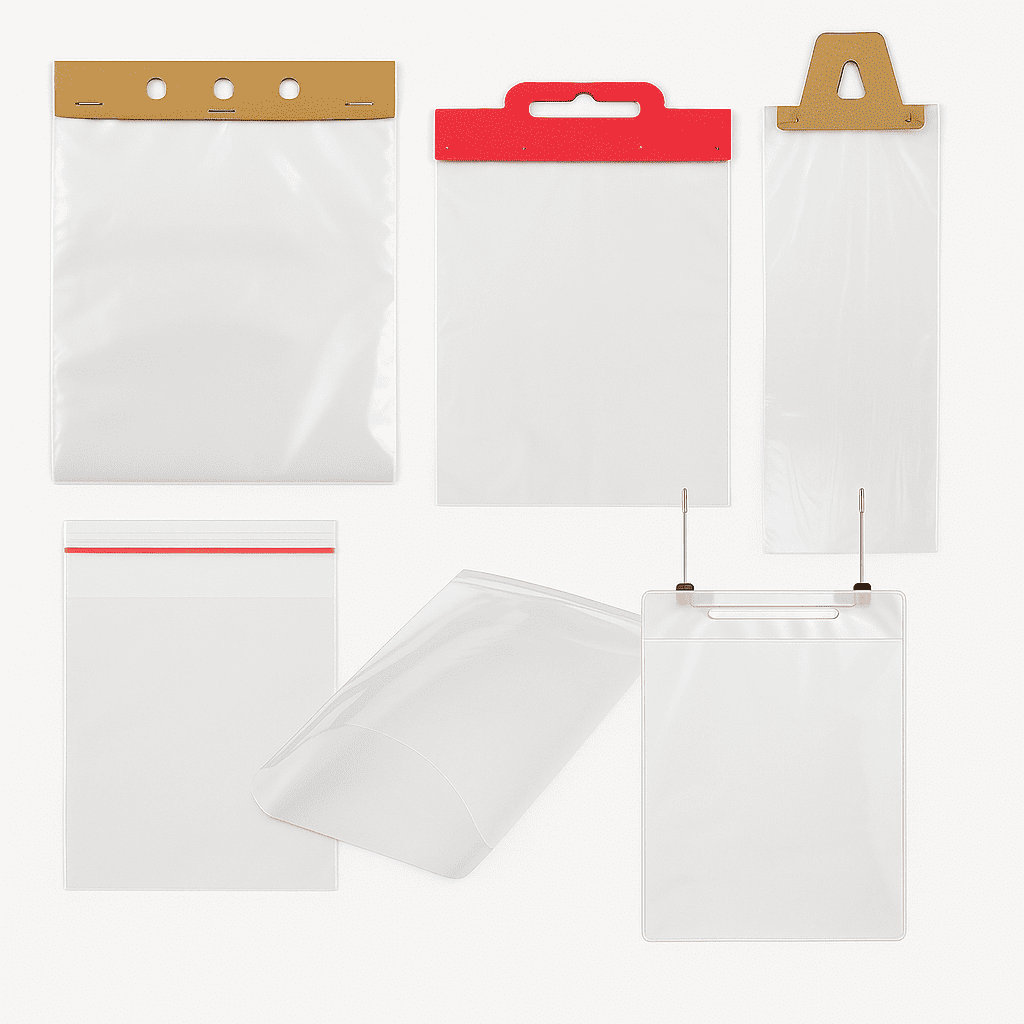
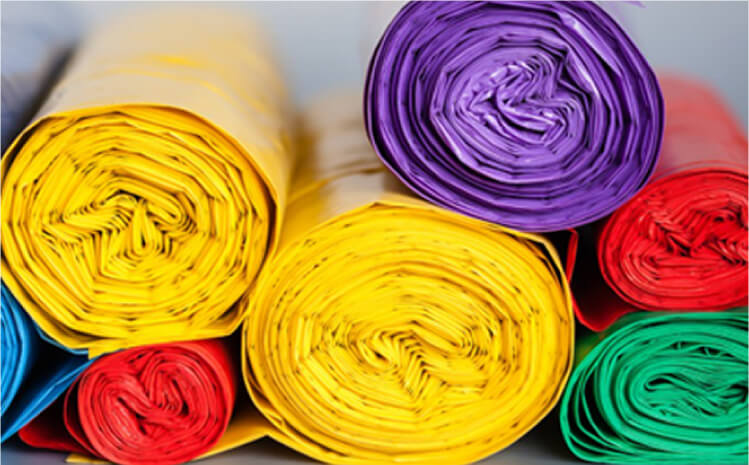
A plastic bag factory manufactures flexible packaging from plastic film, using processes like melting plastic pellets (LDPE/HDPE) and extruding them into tubes, then cooling, flattening, cutting, and sealing to create various bags (shopping, food storage, medical, etc.), often with custom printing for branding. Key aspects include raw material processing, printing, bag type creation (like stand-up or zipper bags), and quality control for different industrial and retail needs. Plastic bag factories most commonly produce shopping bags, food storage bags, waste bags, and custom packaging bags. Each manufacturing plant now balances utility and eco-goals. A supplier provides packaging like the clear poly bag or rice bag.
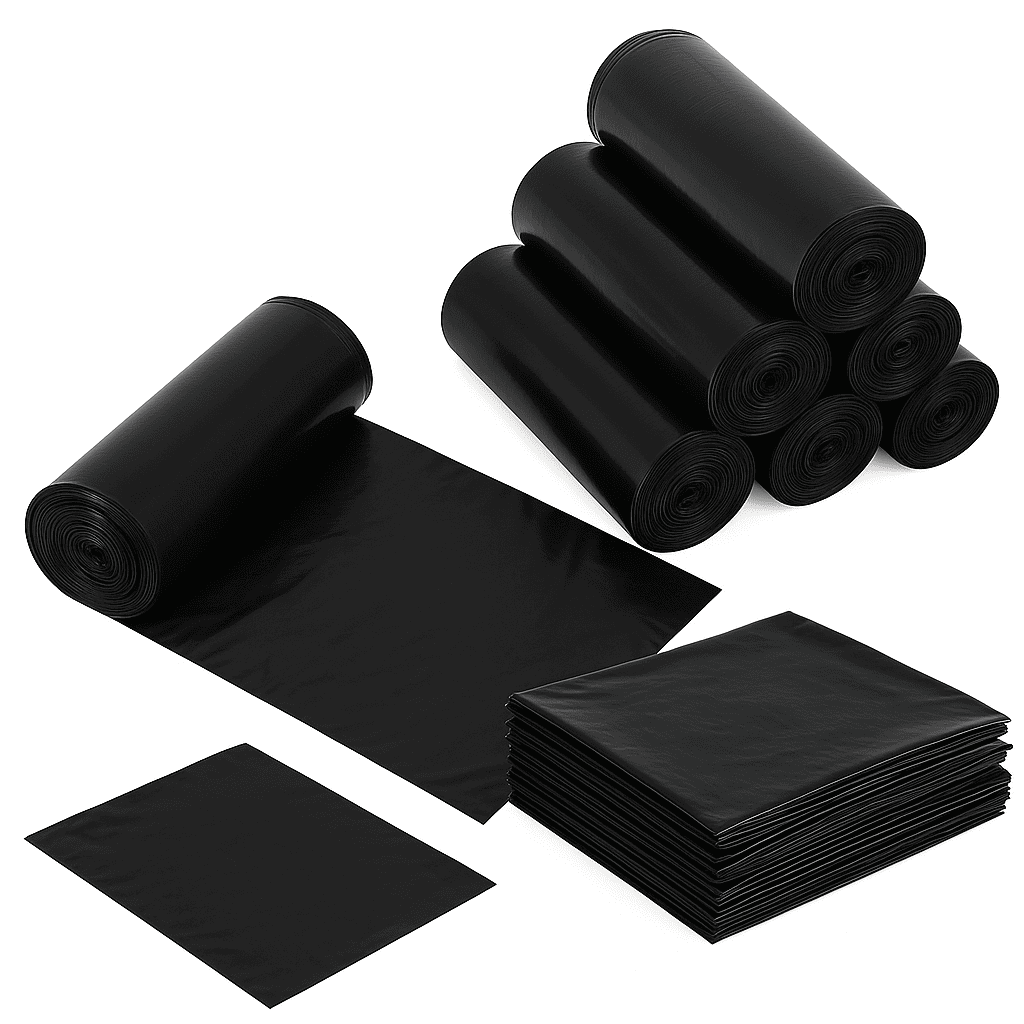
While polythene is common, companies utilize recycled resins. In bag manufacturing, manufacturers create the poly mailer bag and t shirt bag. A manufacturer offers customized orders, like a printed grocery bag or transparent plastic pouch bag. Modern biodegradable and compostable green plastic bags are rising. Beyond the shopping bag or carry bag, factories produce disposable items like the trash bag or garbage liner. Using ldpe for plastic ld bags or poly, every custom need is met. As for how to choose a plastic bag factory, we would suggest that you judge their quality and trustworthiness by looking at the six most critical processes in a plastic bag factory: Raw Materials, Melting & Extrusion, Cooling & Flattening, Printing, Bag Making, and Quality Control.
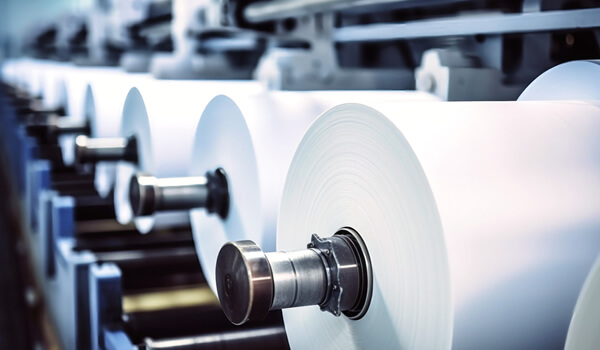
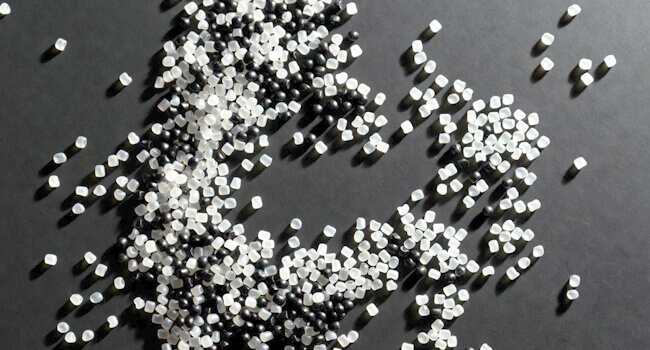
A premium factory starts with high-quality plastic pellets. When evaluating a supplier, check if they offer a versatile range of materials, including LDPE, HDPE, PP, and PE. The purity of these resins determines the clarity and durability of the final product. A reliable manufacturer should be transparent about their sourcing and whether they use virgin or recycled materials, as this directly impacts the bag's environmental footprint and structural integrity.
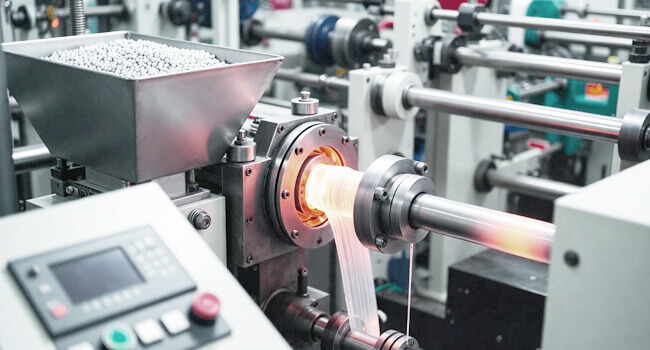
This stage is the heart of production. During the extrusion process, the pellets are melted and forced through a circular die, forming a continuous plastic tube or "bubble." You should assess the factory's machinery for consistency; high-end extruders ensure uniform thickness throughout the film. Any fluctuations in temperature or pressure during this phase can lead to weak spots, so look for facilities that utilize automated gauge controls for precision.
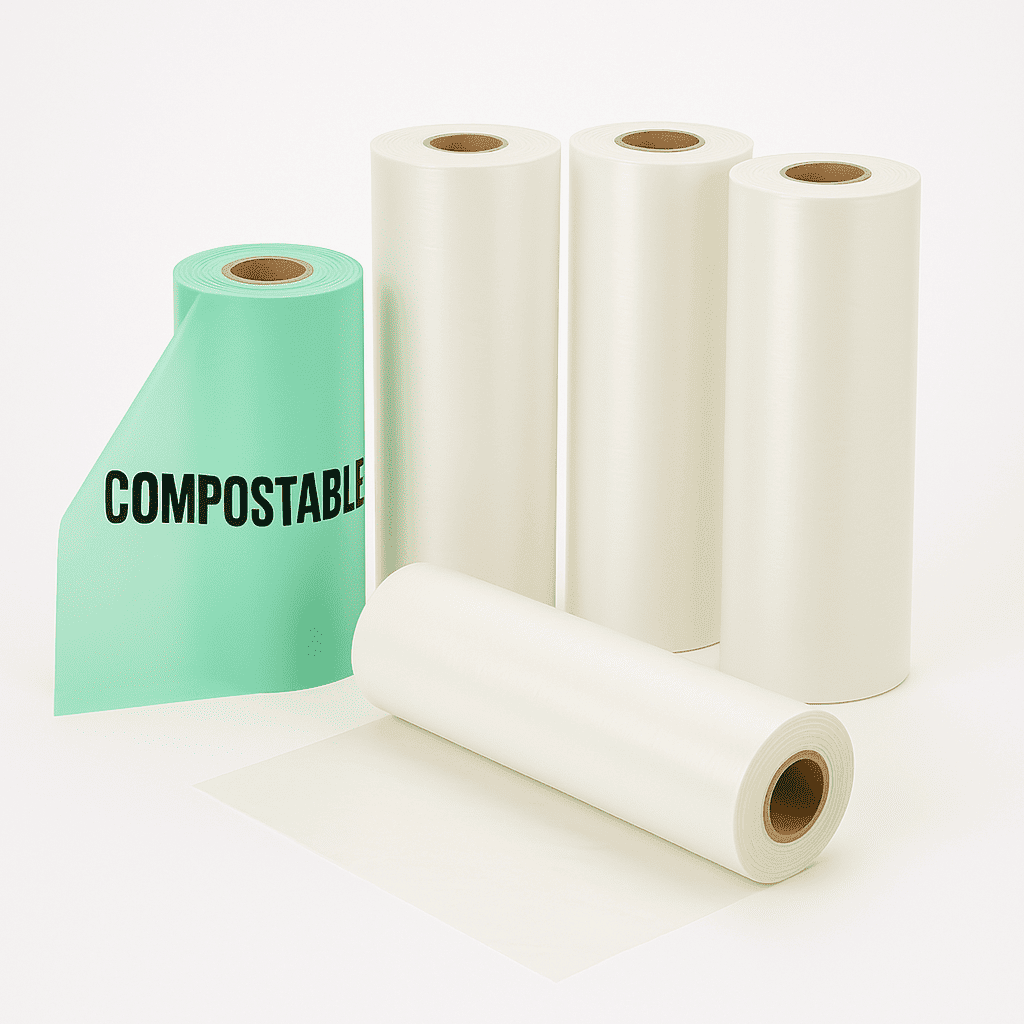
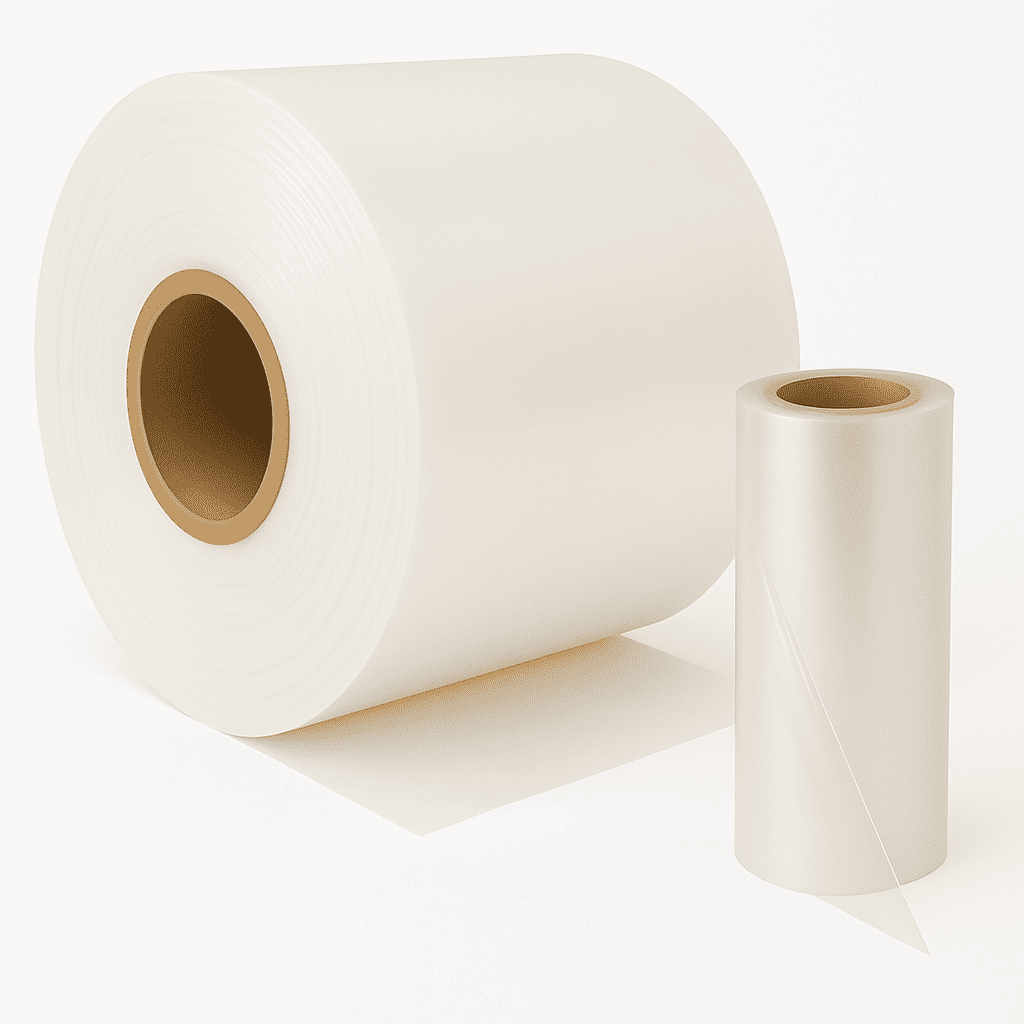
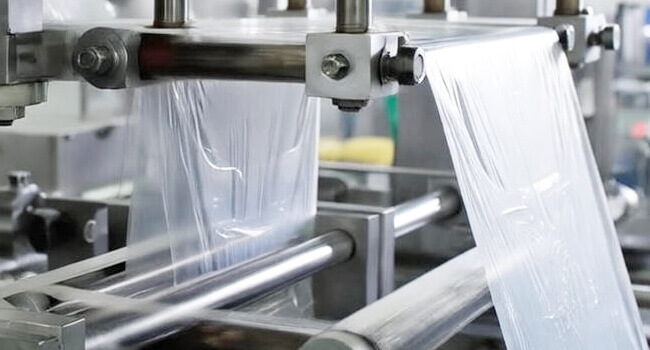
Proper thermal management is vital for film stability. After extrusion, the tube is cooled and then flattened into a film roll using specialized rollers. A top-tier factory must ensure the cooling rate is perfectly synchronized with the line speed to prevent wrinkles or distortions. Examine the finished rolls for smoothness and tension. If the film is flattened unevenly, it will cause significant alignment issues during the subsequent printing and cutting stages.
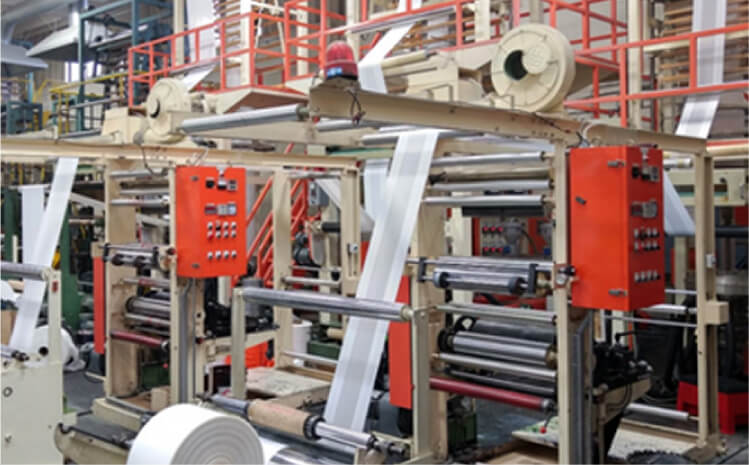
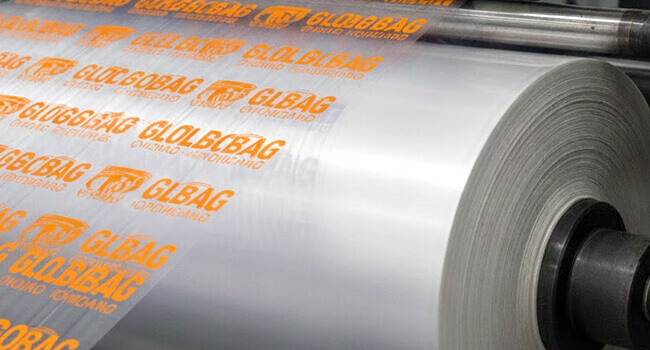
Branding depends entirely on the quality of the printing department. This is where designs and logos are printed onto the film using high-speed flexographic or rotogravure presses. When auditing this area, look for sharp color registration and ink adhesion. A superior factory will use treated films to ensure the ink does not peel or fade. They should also offer a wide color gamut to match your specific brand guidelines with high-resolution accuracy.
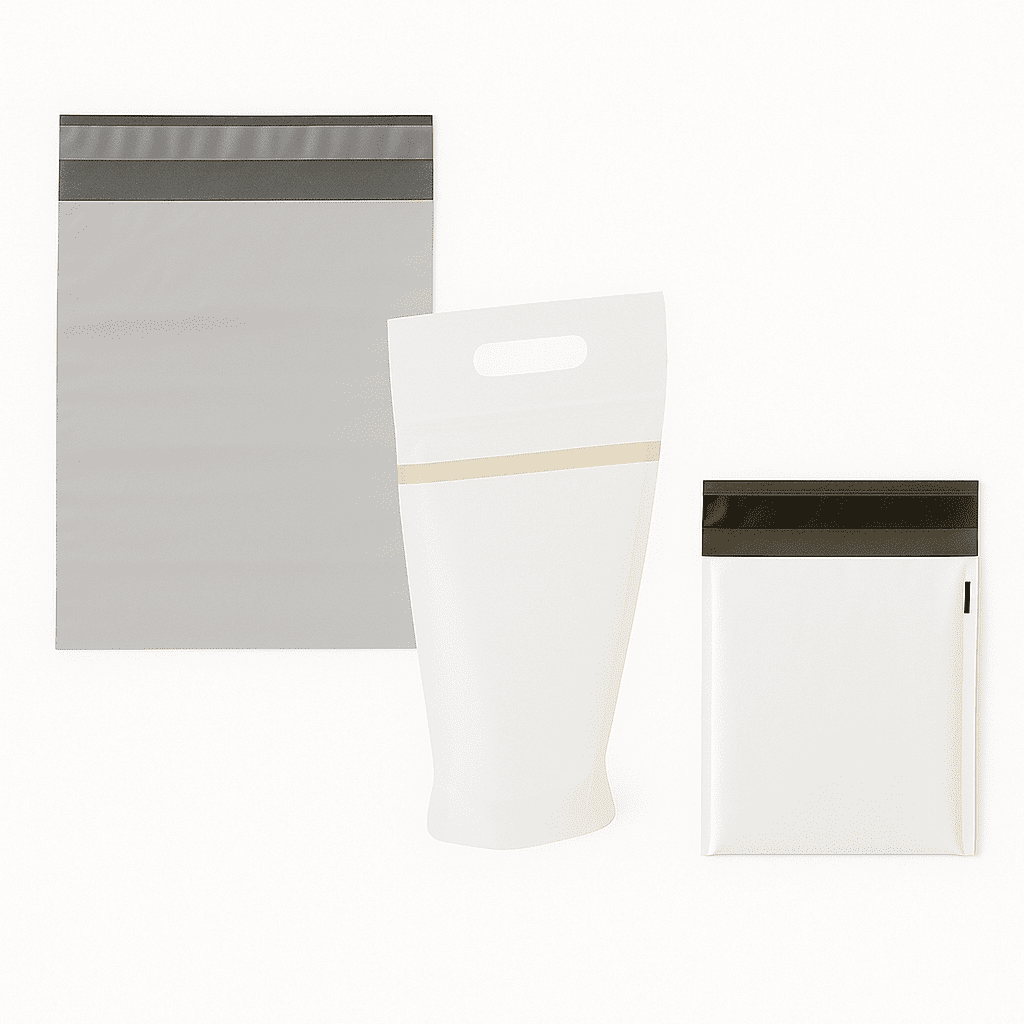
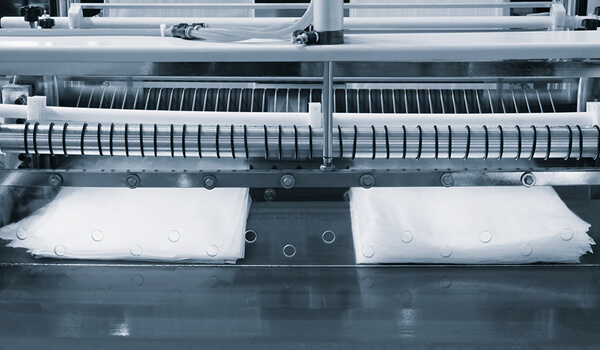
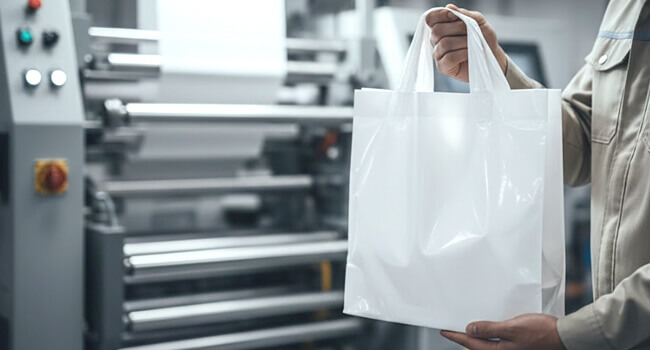
This phase converts the raw film into a functional product. The film is cut, folded, and sealed to form different bag types, such as T-shirt bags or heavy-duty liners. The excellence of a factory is reflected in the strength of their seals. Check if their conversion machines are modern and capable of high-speed precision. Poorly calibrated equipment often results in inconsistent sizing or weak bottom seals, which leads to tearing during actual consumer use.
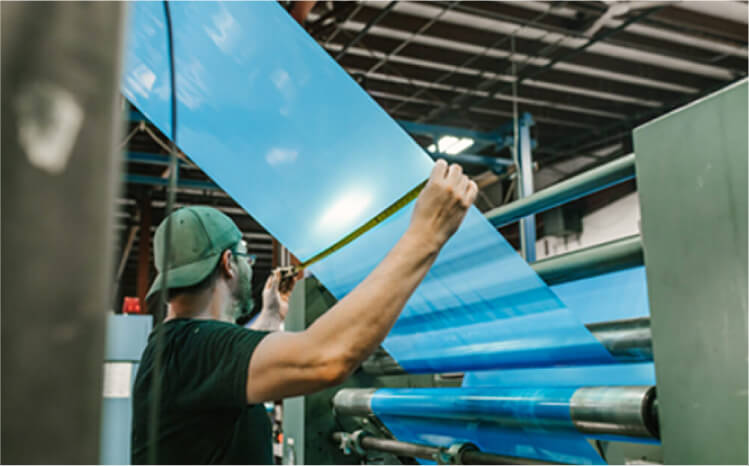
The final safeguard is a rigorous inspection protocol. Thorough checks ensure bags meet specifications for strength, size, and printing accuracy before they are boxed for shipment. A reputable factory should perform stress tests, such as drop tests and seal-strength analysis, on every batch. Ask to see their QC logs; a factory that documents every deviation and maintains a low defect rate is one that values long-term partnership and product excellence.